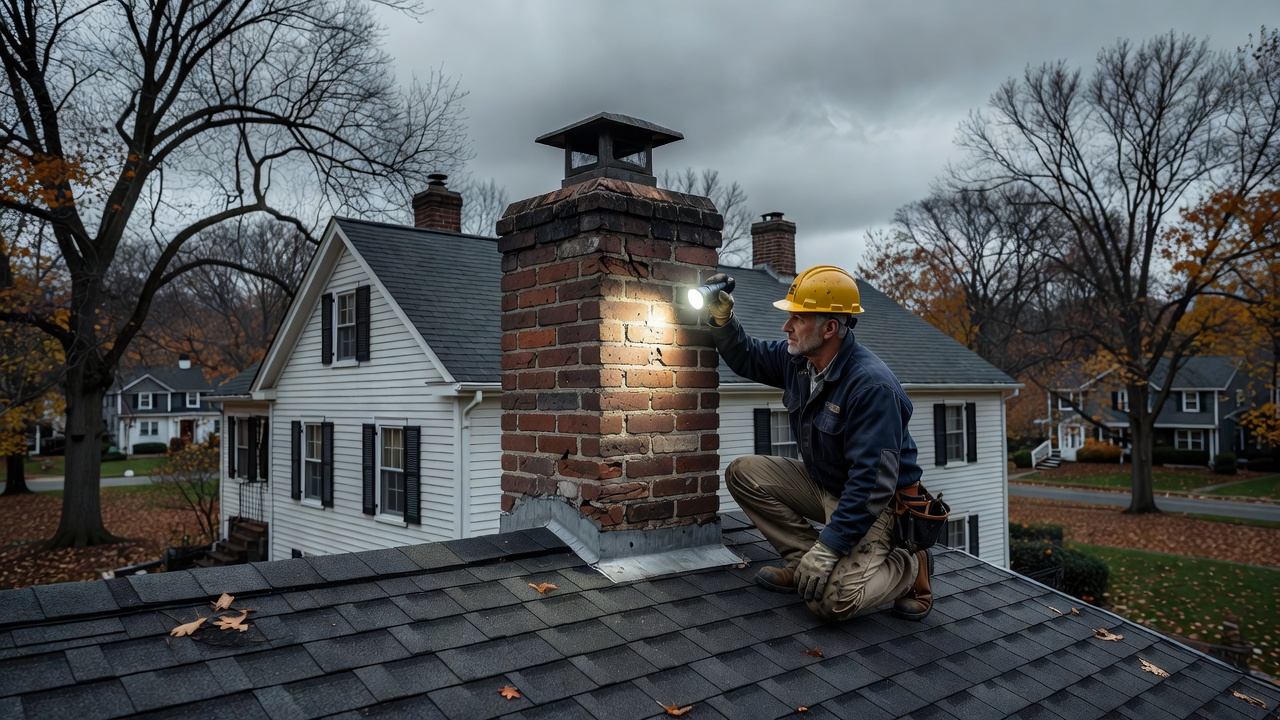
What Purchase NY Homeowners Get Wrong About Chimney Inspection: A 2026 Safety Guide
A chimney inspection in Purchase NY is one of the most straightforward services a homeowner can schedule, yet it’s also one of the most misunderstood. Many residents put it off, underestimate what it covers, or assume a working fireplace means a safe one. That thinking leads to real danger, and we see the consequences of it regularly across Purchase, Rye, Harrison, and the broader Sound Shore area.
It Only Needs Attention If Something Seems Wrong
This is probably the most common thing we hear from homeowners calling us for the first time. The fireplace draws fine, there’s no smoke in the house, so why bother? The problem is that most chimney hazards are invisible from inside your living room. Creosote builds up in the flue whether or not you notice it, and structural cracks in the liner or the masonry above the roofline give no obvious signal until there’s a fire or a water leak.
The CSIA reports that even a 1/8-inch buildup of creosote is sufficient to cause a chimney fire. That’s a thin layer. A cord of wood burned over a single heating season can deposit far more than that, especially if the wood wasn’t fully seasoned or the fires burned low and slow. We’ve pulled flue liners out of homes in Harrison and Port Chester where the owners genuinely believed everything was fine, and the tile was cracked in multiple places with heavy glaze deposits throughout.
NFPA 211 requires that chimneys, fireplaces, and vents be inspected at least once per year regardless of how much or how little the system was used. That standard exists because problems develop on a schedule that has nothing to do with whether the homeowner noticed anything unusual.
A New House Doesn’t Need an Inspection
Purchase has some genuinely beautiful new construction, but it also has a large stock of older colonials and center-hall homes built in the 1950s through 1980s, and plenty of buyers assume a recent purchase means a clean chimney. It doesn’t. A pre-sale inspection, even a thorough one, may not have included a camera scan of the full flue. Previous owners may have used the fireplace heavily. Mortar joints can be deteriorating behind a clean-looking firebox. We’ve done first-year inspections on homes in Rye Brook and Mamaroneck where the chimney hadn’t been serviced in well over a decade despite the property changing hands.
Beyond the age issue, any home that’s gone through a heating season with a new owner should get a look before the next one. Burning habits differ, fuel types vary, and a stove insert or gas log set added by a previous owner may have never been properly inspected for the liner it requires.
Gas Fireplaces Don’t Require This Kind of Attention
We understand why this one persists. Gas burns cleaner than wood, there’s no ash, and the whole system feels more like an appliance than a traditional hearth. But gas appliances still vent combustion gases through a flue, and those flues are still exposed to moisture, wildlife, and structural wear. A blocked or cracked gas flue can allow carbon monoxide to migrate back into the living space. The U.S. Consumer Product Safety Commission estimates that carbon monoxide from improperly maintained fireplaces and heating appliances sends approximately 50,000 Americans to emergency rooms each year.
We inspect gas systems throughout Larchmont and New Rochelle and find the same issues we see on wood-burning setups: deteriorated flexible liners, bird nests in the cap, and cracks at the crown that let water into the masonry. The fuel type doesn’t change what the weather does to the exterior of your chimney.
The Chimney Cap Is Just a Weather Cover
A chimney cap does keep rain out, but treating it as a simple metal lid misses most of what it does. A properly fitted cap keeps animals out, prevents downdrafts that push smoke back into the house, and protects the flue tile from direct water exposure. According to the CSIA, a properly maintained chimney cap can reduce moisture intrusion by up to 90%, significantly extending the life of the chimney liner and masonry.
Along the Sound Shore, where nor’easters off Long Island Sound push sustained wind and rain against the north and east faces of chimneys, that 90% figure matters. We’ve documented accelerated mortar joint erosion on chimney stacks without caps compared to otherwise identical stacks on neighboring homes. Missing or damaged caps are one of the first things we look for on any inspection call in Purchase or Rye.
One Inspection Every Few Years Is Probably Fine
The freeze-thaw cycles that run through Westchester County from November through March do measurable damage to masonry every single year. The National Chimney Sweep Guild notes that these cycles accelerate spalling and mortar joint deterioration, making annual inspections especially critical for homes in this region. Skipping a year doesn’t mean you’ve avoided a year’s worth of deterioration. It means you’ve gone a year without knowing about it.
A homeowner in Purchase called us last spring after skipping inspections for three years during a renovation project that kept the fireplace out of use. She assumed that since no fires had been lit, there was nothing to check. When we ran the camera up the liner, we found two sections of cracked tile, a compromised crown, and mortar joints on the exterior stack that had lost nearly half their depth. None of it was related to fireplace use. All of it was weather and time. Catching that annually would have meant a simple repointing job. At that stage, it required partial liner replacement and crown rebuilding.
Getting Your Chimney Inspected in Purchase NY
We serve Purchase as part of our regular schedule throughout Harrison, Rye, Scarsdale, and the surrounding communities. If it’s been more than a year since your last inspection, or if you’ve never had one done since moving in, the right time to schedule is now, before the heating season puts the system under regular stress. Our team does camera inspections, full sweeps, and masonry evaluations, and we’ll tell you exactly what we find in plain language without pressure to upsell work that isn’t needed.
Call Chimney Experts in Rye or reach us through chimneyexpertsinrye.com to book your inspection. We’re familiar with the homes in this area, the conditions they face every winter, and what it actually takes to keep a chimney safe and functional for the long term.
Frequently Asked Questions About Chimney Inspection in Purchase NY
- How long does a chimney inspection take for a typical home in Purchase?
- Most standard inspections, including a camera scan of the flue and a visual check of the firebox, crown, and exterior masonry, take between 45 minutes and an hour and a half. Homes with multiple flues or complex systems may run a bit longer. We’ll give you a realistic time estimate when you book.
- What’s the difference between a Level 1 and Level 2 chimney inspection, and which one do I need?
- A Level 1 inspection covers accessible portions of the chimney and is appropriate for systems that have been used normally without any changes. A Level 2 inspection includes a camera scan of the full flue interior and is required when a home changes ownership, after a chimney fire or significant weather event, or when any changes are made to the system. For most Purchase homeowners buying a property or returning to a fireplace after years without use, we recommend starting with a Level 2.
- Can I use my fireplace while waiting for an inspection appointment?
- If you have no reason to suspect a problem and you’re scheduling a routine annual inspection, light use is generally low risk. If you’ve noticed smoke backing into the room, an unusual smell, visible cracks in the firebox, or any recent storm damage to the chimney exterior, we’d recommend holding off until we can take a look. When in doubt, call us first and we can help you assess whether it’s safe to wait.
Related from Chimney Experts in Rye: Essential Chimney Repair Port Chester NY